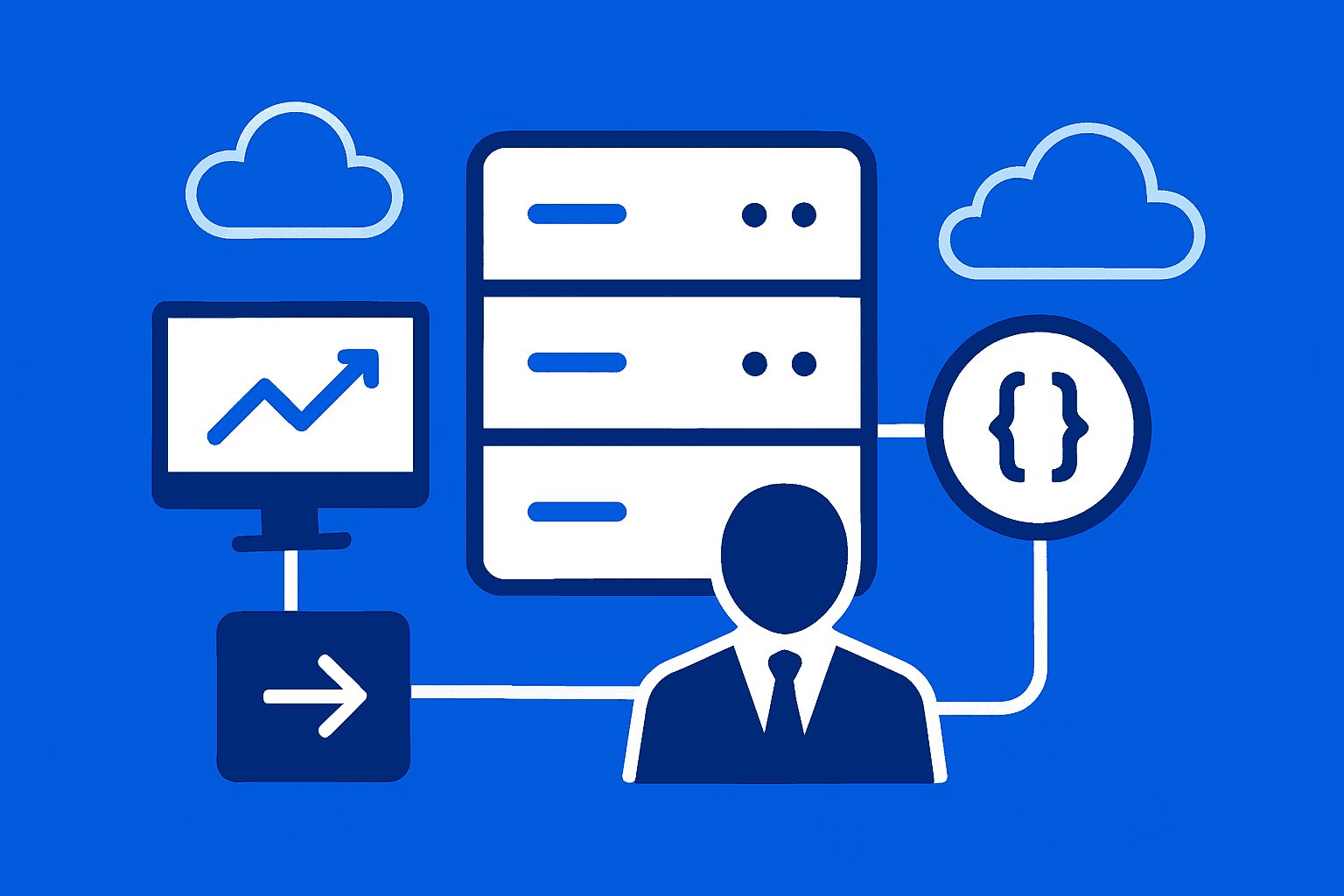
Scaling agent workflows with stateless tool servers and header-based routing
Agent systems become difficult to scale when every tool request depends on the same backend instance that handled an earlier request. Stateless tool servers address that...
Product updates, implementation guides, and ideas for shipping Model Context Protocol servers faster.

Agent systems become difficult to scale when every tool request depends on the same backend instance that handled an earlier request. Stateless tool servers address that...

AI agents cannot be governed reliably when their tool access depends on opaque, long-lived protocol sessions. The move toward stateless MCP tool governance changes that model:...

Model endpoints are where sensitive prompts, retrieval context, tool outputs, proprietary weights, and authorization decisions meet. Confidential compute for model endpoints can...

Getting an agent demo to call a tool is relatively easy; making that integration reliable, governable, discoverable, and deployable is the harder engineering problem. One-click...

Choosing an autonomous workflow stack is not primarily a model-selection exercise. The durable decision is how a workflow will continue, pause, retry, call tools, prove who...

Autonomous assistants become difficult to trust the moment they can search private knowledge, call APIs, modify records, send messages, or initiate transactions. Autonomous...

Real-world agent workflows break down when every system exposes a different interface, every team builds a one-off integration, and no layer clearly owns identity, permissions, or...

Preparing stateless MCP connectors means replacing assumptions about a durable handshake with explicit information on every request: protocol version, client context, credentials,...

Shadow tools do not need to bypass an agent’s runtime controls if they can enter through a trusted-looking catalog, manifest, or deployment workflow. Agent tool registry hardening...